
The perfect color can make a project. But getting that color from inspiration to installation takes more than picking a swatch.
Whether you're matching a brand color, coordinating architectural elements, or creating a custom finish, requesting the right performance powder coating color is an important part of the specification process.
Here are seven practical tips to help architects and designers get the color they want, with the performance their project needs.
1. Start with the Application
Where will the coating be used? An interior decorative feature has very different performance requirements from an exterior façade exposed to years of sunlight and weather. Share the intended application and environment with your coating supplier from the start to ensure the proposed color is available in a suitable coating technology. Polychem powder provides an enormous range of color and effect options for interiors, but shouldn’t really be used on exteriors in the architectural world.
2. Know Your Performance Requirements
Not all powder coatings are created equal! If your project calls for AAMA 2604 or AAMA 2605 performance, make that clear when requesting colors. Certain colors, pigments, and special effects may have limitations depending on the required performance level. With interior grade powders, the world is your oyster! Establishing your requirements early helps avoid disappointment later.
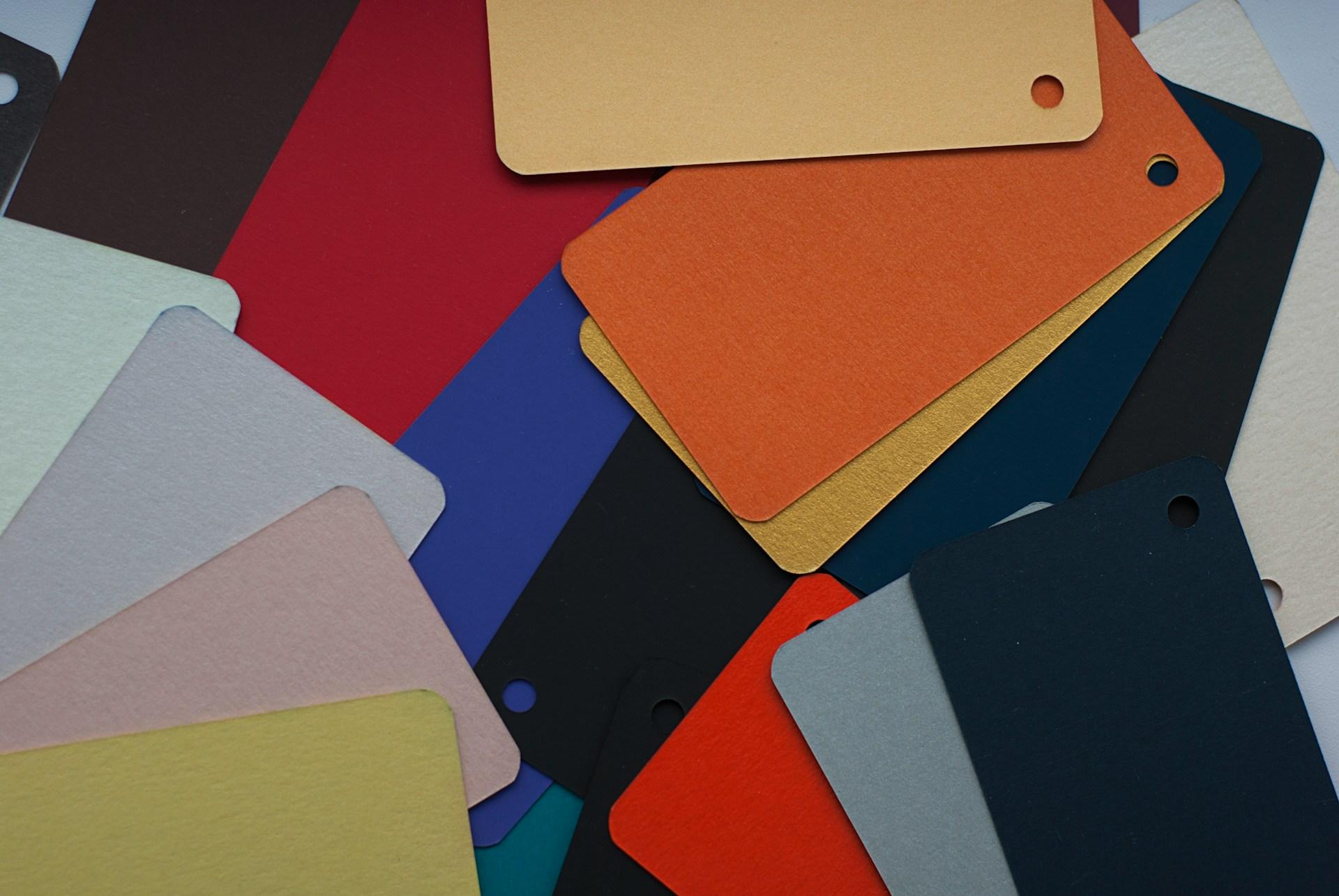
3. Provide a Physical Color Reference
Have a particular shade in mind? Supply a physical sample whenever possible. If it’s a known color standard like RAL (used frequently in coatings) or even Pantone, that is standardized and can therefore be used. However digital images, pictures or renderings are not ideal, as our screens are not calibrated, and appear so differently on a screen to in person. A physical reference gives the color team a more reliable target.
4. Think Beyond Color
Color is only part of the picture. Gloss level, texture, metallic, and special effects can dramatically change how a finish looks. A smooth matte bronze, for example, can have a completely different appearance from a textured or metallic bronze. Be specific about the finish you're looking for, not just the shade.
5. Consider Lighting and Viewing Conditions
That perfect gray in the design studio might look very different in bright afternoon sunlight. Lighting, surrounding materials, viewing angles, and surface texture can all influence color perception. Evaluate physical samples in lighting conditions representative of the finished project before making your final selection. Did you know in the color lab technicians evaluate colors “on the flop” – pointed down at a 60° angle?
6. Allow Time for Custom Colors
Stock colors are exactly that – stock, so available quickly. Its worth noting many fluoropolymer colors are not stocked, but may be made regularly depending on the color. If you need a quick turnaround, stock is the way to go.
Need something unique? Custom color development can take time, particularly when asking for metallic or mica (sparkle) effect colors due to the bonding process required for these types of finishes. Add into that multiple approval rounds, or tweaks to the colors, then it can take a while. Engage your powder coating supplier early and discuss development timelines, performance levels and any additional requirements.
7. Approve a Representative Sample
Before signing off, make sure you're reviewing a sample that represents the proposed coating system, including color, gloss, and texture. For critical projects, agree on an approved control sample and acceptable color tolerances so everyone—from the architect to the applicator—is working toward the same result.
Great Color Starts with a Great Conversation
The best architectural finishes bring together design vision and real-world performance. Sharing clear information about your color inspiration, application, finish preferences and performance requirements helps make the selection process smoother and reduces the risk of surprises.
The takeaway? Don't just ask for a color. Ask for the right color, in the right finish, with the right performance.
Have a color in mind? Talk to the IFS Coatings team about architectural color options, physical samples, and custom color development for your next project.