
How Powder Coatings Are Expanding Design Possibilities for Architectural Windows
Windows do more than bring light into a building. They frame views, define façade character, influence occupant comfort, and increasingly, for design teams, contribute to the overall sustainability story of a project. For architects and designers working in residential, commercial, and multifamily spaces, the finish applied to aluminum-clad windows has become an important design and performance decision, not just a manufacturing detail.
Powder coatings are leading the way as one of the most versatile and durable finishing technologies for architectural windows, offering a combination of aesthetics, weatherability, sustainability, and specification flexibility that aligns well with today's design priorities.
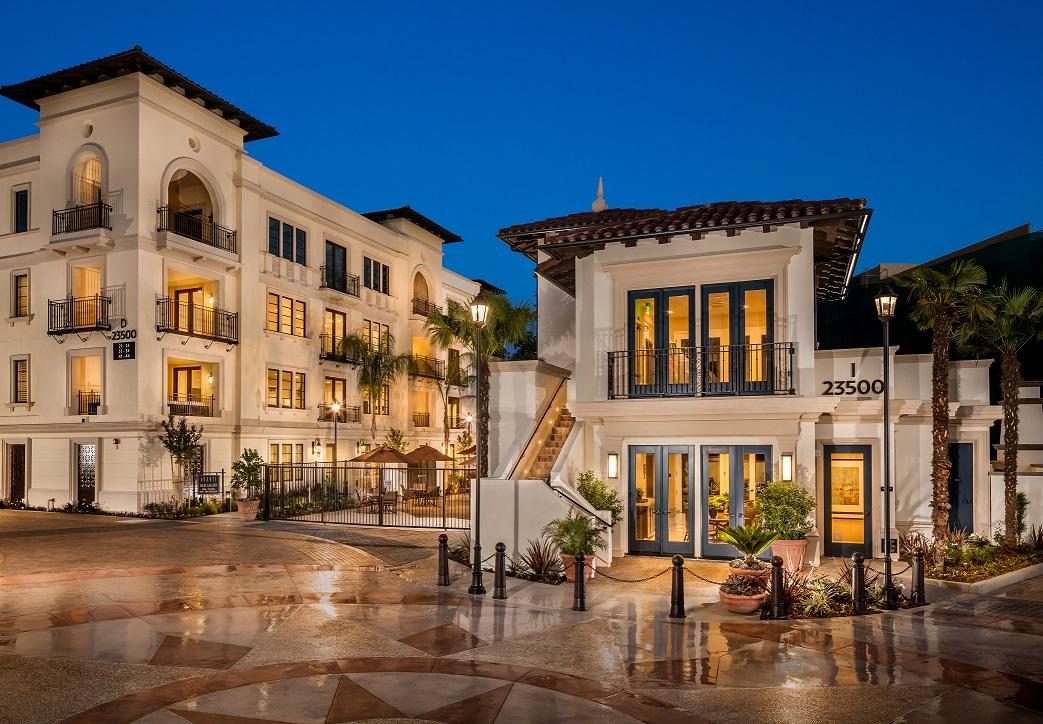
Whether it's a contemporary custom home featuring expansive dark bronze window systems from Sierra Pacific or a multifamily development using durable style from Thermal Windows, powder coatings are helping architects treat windows as intentional design elements rather than standard components.
The Aluminum Canvas
Most architectural window systems today are aluminum-clad, meaning a wood or thermal core is protected externally by an aluminum shell. That aluminum serves two purposes: protection and design flexibility. Powder coating enhances both.
Powder coating delivers a beautiful, highly durable finish that resists chipping, fading, scratching, and weathering while delivering a remarkably broad design palette.
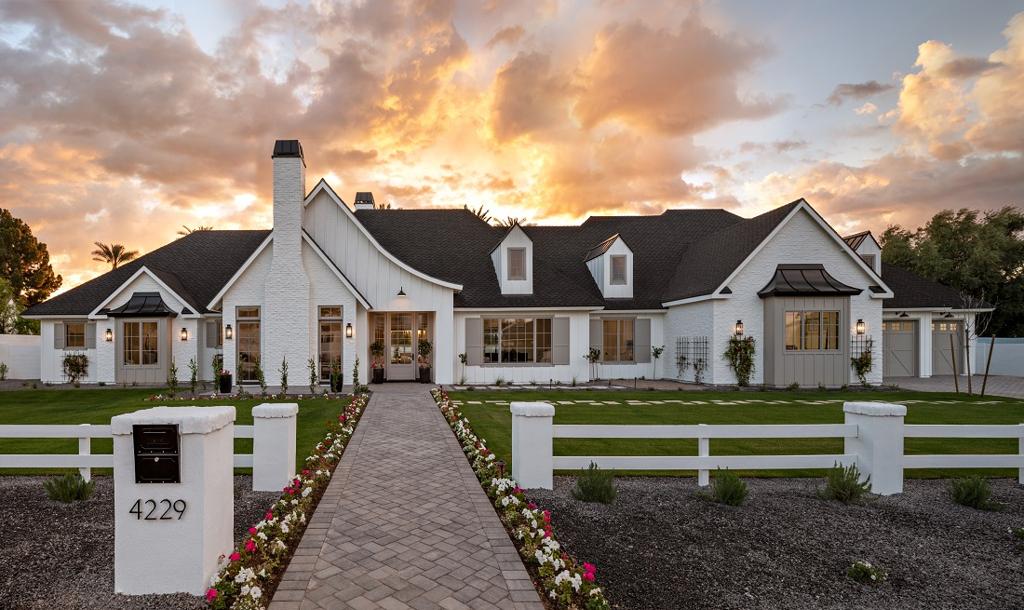
Architectural powder coatings are typically specified in three performance tiers:
Standard Polyester Powders
Often used in budget-sensitive projects, or window interiors, standard polyester powders provide reliable durability and color/gloss retention for many residential applications. Products such as IFS 300SP offer an economical entry point into architectural powder coating while still delivering a durable, attractive finish.
Super Durable Polyester Powders
For projects requiring enhanced weatherability and longer-term color retention, super durable polyesters are often the preferred specification. Coatings such as IFS 400SD are commonly selected for multifamily, hospitality, mixed-use, and commercial projects where UV exposure and long-term aesthetics are critical.
Fluoropolymer Powder Coatings
At the highest end of the performance spectrum are fluoropolymer powders like IFS 500FP. These coatings are designed for exceptional color and gloss retention in demanding architectural environments, including coastal exposure, high UV regions, and signature commercial buildings where finish longevity is paramount.
For architects, the key advantage is the ability to match coating performance to project requirements without sacrificing design intent.
A Finish Palette That Keeps Expanding
One reason powder coating continues to gain traction in architectural windows is the sheer range of finishes now available.
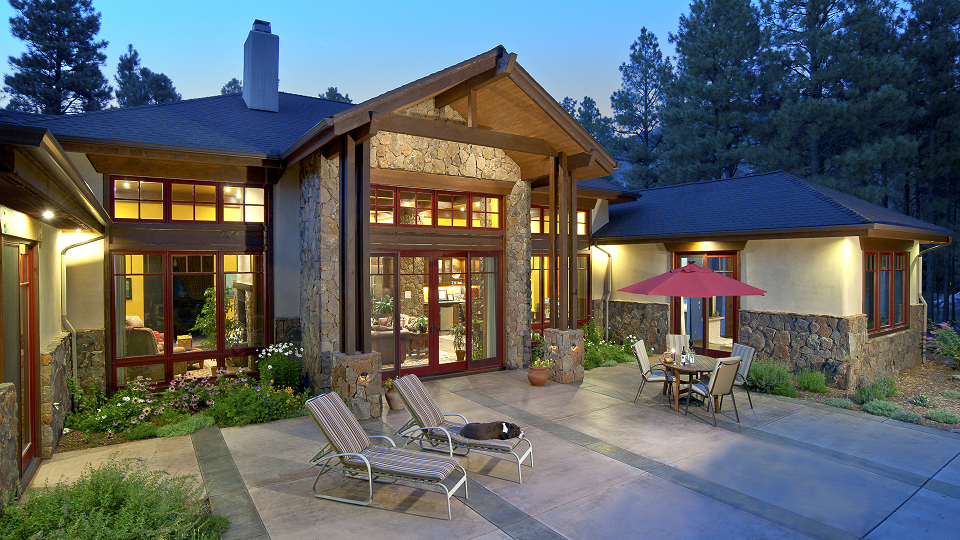
The industry has moved well beyond basic white, bronze, and black frames. Today's powder technologies allow architects to specify everything from ultra-matte contemporary neutrals to rich metallics, mica effects, textured surfaces, and even speckled finishes that add visual depth and tactile character.
This expanded palette is especially valuable in luxury residential design, where windows increasingly serve as architectural accents rather than background elements. The ability of IFS Coatings to custom color match also ensures that discerning customers can get the color they desire, whether it's a custom creation or matched to existing material.
In multifamily and commercial applications, powder coatings also offer practical flexibility. Different colors can be applied to interior and exterior surfaces of the same frame, allowing designers to coordinate exterior façade aesthetics independently from interior finishes. Performance levels can vary as well. For example, a fluoropolymer exterior paired with a more cost-effective interior finish.
Not Just Aluminum
While aluminum-clad systems dominate architectural window applications, powder coating also plays an important role in steel window and door systems.
Steel offers distinctive sightlines and structural advantages, particularly in historic renovations, luxury residential projects, and industrial-inspired commercial spaces. In these applications, powder coating systems often include both a powder primer and powder topcoat to provide enhanced corrosion protection alongside the desired decorative finish.
The result is a highly durable system capable of withstanding demanding environmental conditions while maintaining the refined appearance designers expect from architectural steel.
Sustainability That Supports the Specification
As sustainability reporting becomes increasingly important in architectural specifications, powder coatings offer several meaningful environmental advantages.
Because powder coatings contain negligible volatile organic compounds (VOCs), they help reduce emissions associated with finishing processes. Overspray can often be reclaimed and reused or even recycled, minimizing material waste compared to traditional liquid paint systems. Powder systems also do not require chrome pretreatment or a chrome-based primer and boast an improved carbon footprint when compared to liquid coatings.
Equally important for architects and specifiers is documentation transparency. IFS Coatings provides manufacturer-specific Environmental Product Declarations (EPDs) for each grade of architectural powder coating, along with Health Product Declarations (HPDs), supporting LEED documentation efforts and broader material transparency initiatives.
And talking of specifications, IFS also provides specification language to design teams looking to include powder in any part of the project spec. From a 05 05 13 three part guide spec, to just the finishing language for aluminum and steel, at each performance level, we have you covered.
For design teams balancing aesthetics, durability, and sustainability targets, that combination can simplify specification decisions.
Designing the Frame, Not Just the Opening
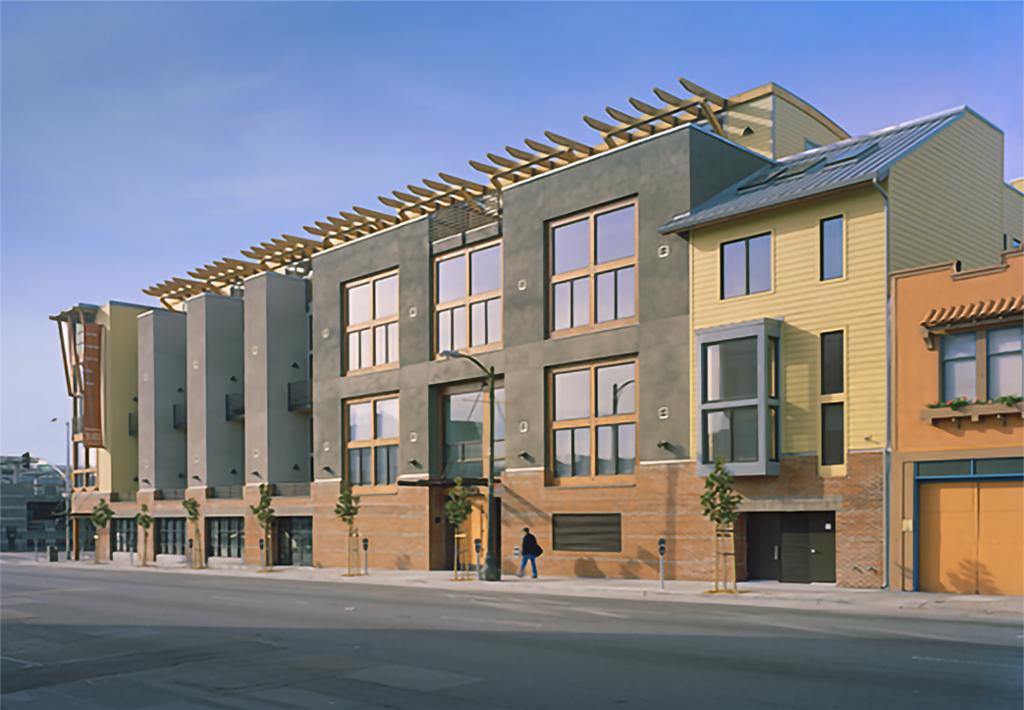
Perhaps the biggest shift happening in architectural windows is philosophical. Window frames are no longer treated as secondary details. Increasingly, they are part of the architectural language of the building itself.
Powder coatings allow architects to think of window systems as designed surfaces, surfaces that can complement, contrast, disappear, or define. From subtle matte textures in luxury homes to highly durable fluoropolymer finishes on commercial façades, powder coatings are expanding what windows can contribute to the built environment.
And in architecture, sometimes the frame matters just as much as the view.